The DNA of Nefertiti Could Rewrite the History of Ancient Egypt
For decades, the fate of Queen Nefertiti has remained one of the greatest mysteries of ancient Egypt. Now, scientists believe advances in ancient DNA analysis could finally reveal secrets that may transform our understanding of the royal bloodline of the 18th Dynasty.
Nefertiti, the legendary wife of Pharaoh Akhenaten, is remembered for her beauty, political influence, and connection to one of the most dramatic religious revolutions in Egyptian history. Yet despite her fame, her final resting place has never been conclusively identified, and many questions about her family lineage remain unanswered.
Researchers studying royal mummies from the Valley of the Kings hope that future DNA testing could determine whether unidentified remains belong to Nefertiti or other members of the Amarna royal family. Such discoveries could clarify relationships between Akhenaten, Tutankhamun, and several mysterious figures whose identities continue to be debated by historians.
Previous genetic studies already revealed that Tutankhamun was born into a highly interconnected royal bloodline, offering insight into hereditary illnesses and family connections within ancient Egyptian royalty. Scientists believe additional DNA evidence could further reshape historical timelines and reveal how power was inherited during one of Egypt’s most turbulent periods.
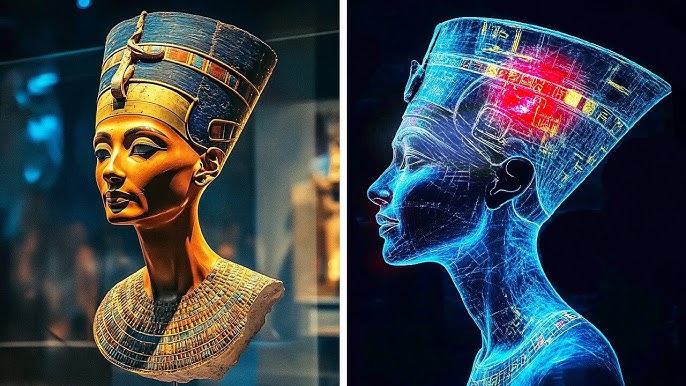
The possibility of locating Nefertiti’s remains has fueled worldwide fascination, especially after hidden chambers and unexplored spaces were detected near Tutankhamun’s tomb. Some researchers proposed that one of these concealed areas could contain the burial chamber of the famous queen, though no definitive evidence has yet confirmed the theory.
Despite sensational headlines, experts caution that ancient DNA research is extremely difficult due to contamination, degradation, and the fragile condition of many mummies. However, improving technology continues to give archaeologists new tools for investigating mysteries once thought impossible to solve.
If Nefertiti’s DNA were ever conclusively identified, historians say it could answer questions that have remained unresolved for more than 3,000 years — potentially rewriting key chapters of ancient Egyptian history and revealing new details about one of the world’s most powerful royal dynasties.