To this day, scientists continue to debate whether the mysterious formation captured by satellite imagery is truly a pyramid or simply a natural mountain peak.

Satellite unexpectedly discovers mysterious “pyramid”
In 2016, social media users widely shared images of a newly discovered “pyramid” that was accidentally spotted on Google Earth in Antarctica. The structure appeared to have four steep sides, with each side of its base estimated to be roughly 2 kilometers long, leading many observers to compare it to the famous Egyptian pyramids.
The discovery immediately sparked intense debate about the origin of the strange formation.
Some enthusiasts claimed the pyramid was constructed by an ancient civilization more than 10,000 years ago, during a period when they believe Antarctica may have been warmer and more habitable. Others even suggested that the builders of this structure predated the ancient Egyptians.
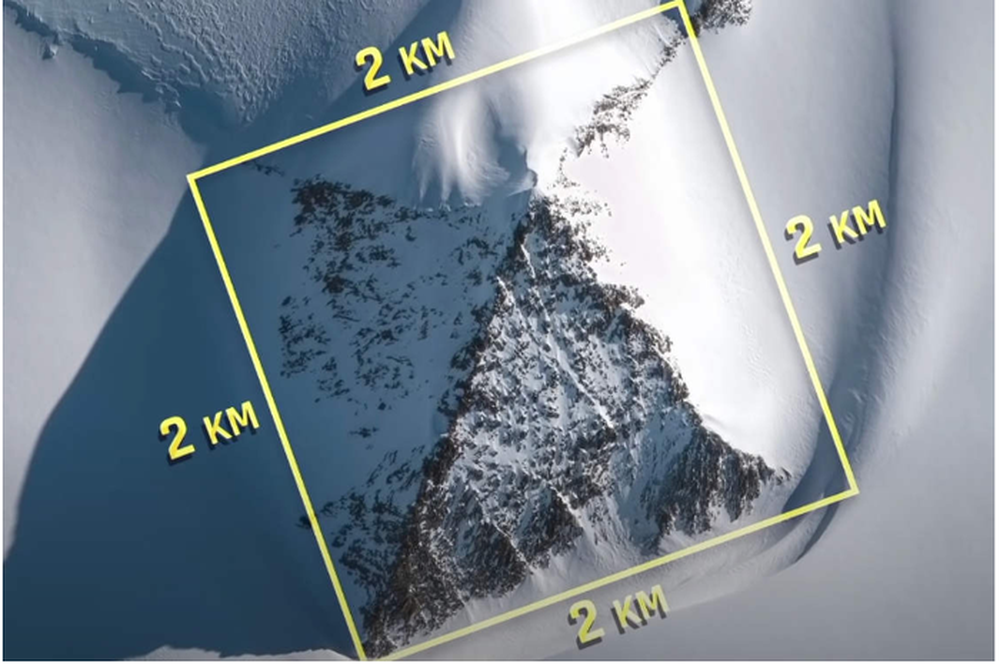
The mysterious object captured by Google Earth closely resembles a pyramid in shape.
David Childress, one of the early proponents of this theory, stated:
“This pyramid is one of the oldest structures in the world. It may have been the first pyramid ever built and could have served as a model for later pyramids around the globe.”
“Pyramid” or mountain peak?
Geologists, however, strongly disagree with these claims.
According to researchers, the formation is simply a mountain peak that naturally resembles a pyramid. Eric Rignot explained that pyramid-shaped mountains can occur through natural geological processes. In this case, the feature likely formed where glaciers eroded the mountain from multiple sides over long periods of time.
This type of landform is common in heavily glaciated regions.
Mitch Darcy shares the same view. He noted that the formation is a well-known geological feature called a nunatak — a rocky mountain peak that protrudes above surrounding ice fields or glaciers.
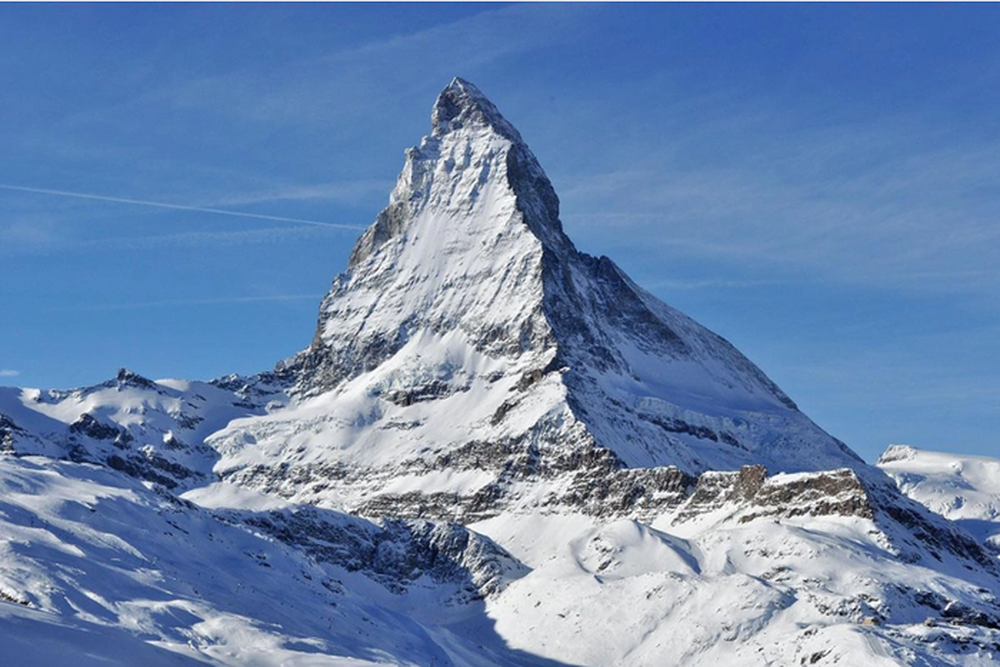
Similar examples can be found elsewhere in the world.
Natural formations can look surprisingly artificial
Matterhorn in the Alps and Bulandstindur in Iceland both possess striking pyramid-like shapes that often lead observers to believe they may be artificial structures.
Because of this, geologists argue that the Antarctic formation’s appearance is simply the result of natural erosion and coincidence rather than evidence of an ancient civilization.
Nevertheless, many internet users remain unconvinced.
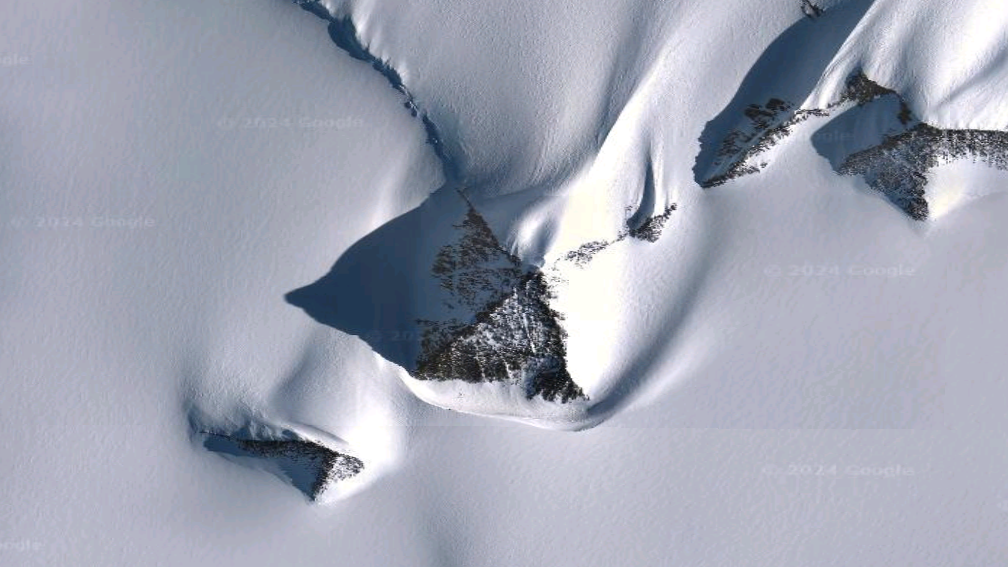
Some continue to speculate that the Antarctic “pyramid” could be connected to a lost civilization, while others suggest extraterrestrial involvement. Supporters of these theories argue that humanity still knows very little about certain periods of ancient history and that many mysteries remain hidden beneath Antarctica’s vast ice sheets.
Despite the ongoing fascination, no scientific evidence currently supports the idea that the formation was built by humans or extraterrestrials. The prevailing scientific explanation remains that it is a naturally formed mountain peak shaped by glacial erosion over millions of years.