For over seventy years, a remote hillside in eastern Turkey has been at the centre of one of archaeology’s most persistent and passionate debates. A boat-shaped formation on the slopes near Mount Ararat has drawn explorers, researchers, believers, and sceptics from around the world — all asking the same question: could this be the remains of Noah’s Ark?
The answer, depending on who you ask, is either the most important discovery in human history or a striking accident of geology. What is not in dispute is this: something unusual sits on that hillside. And the argument about what it is shows no sign of ending.
The formation that started everything
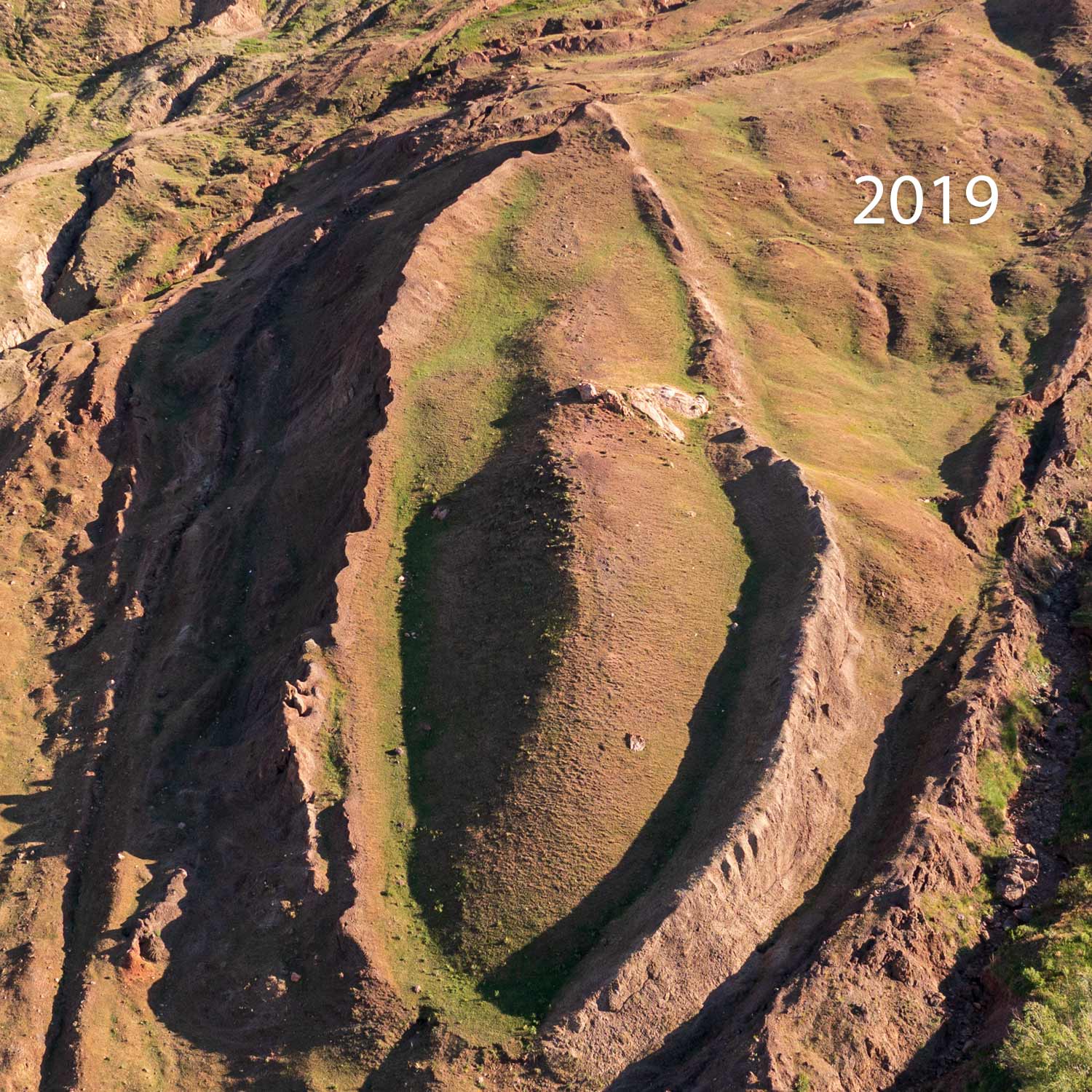
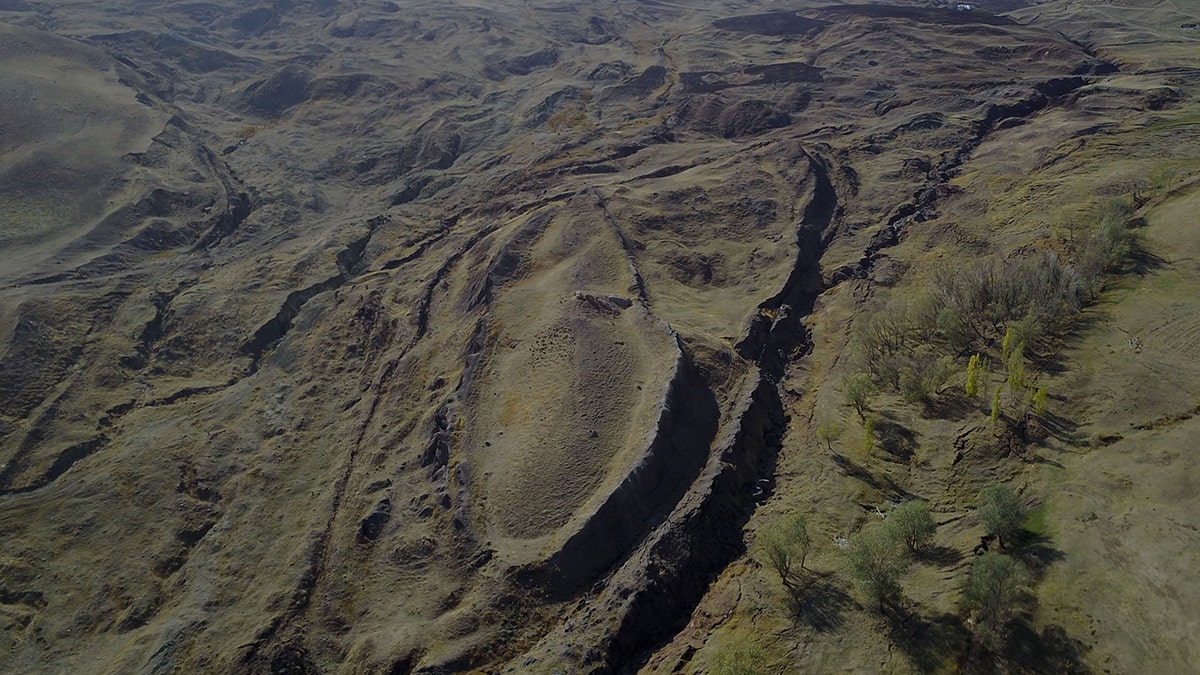
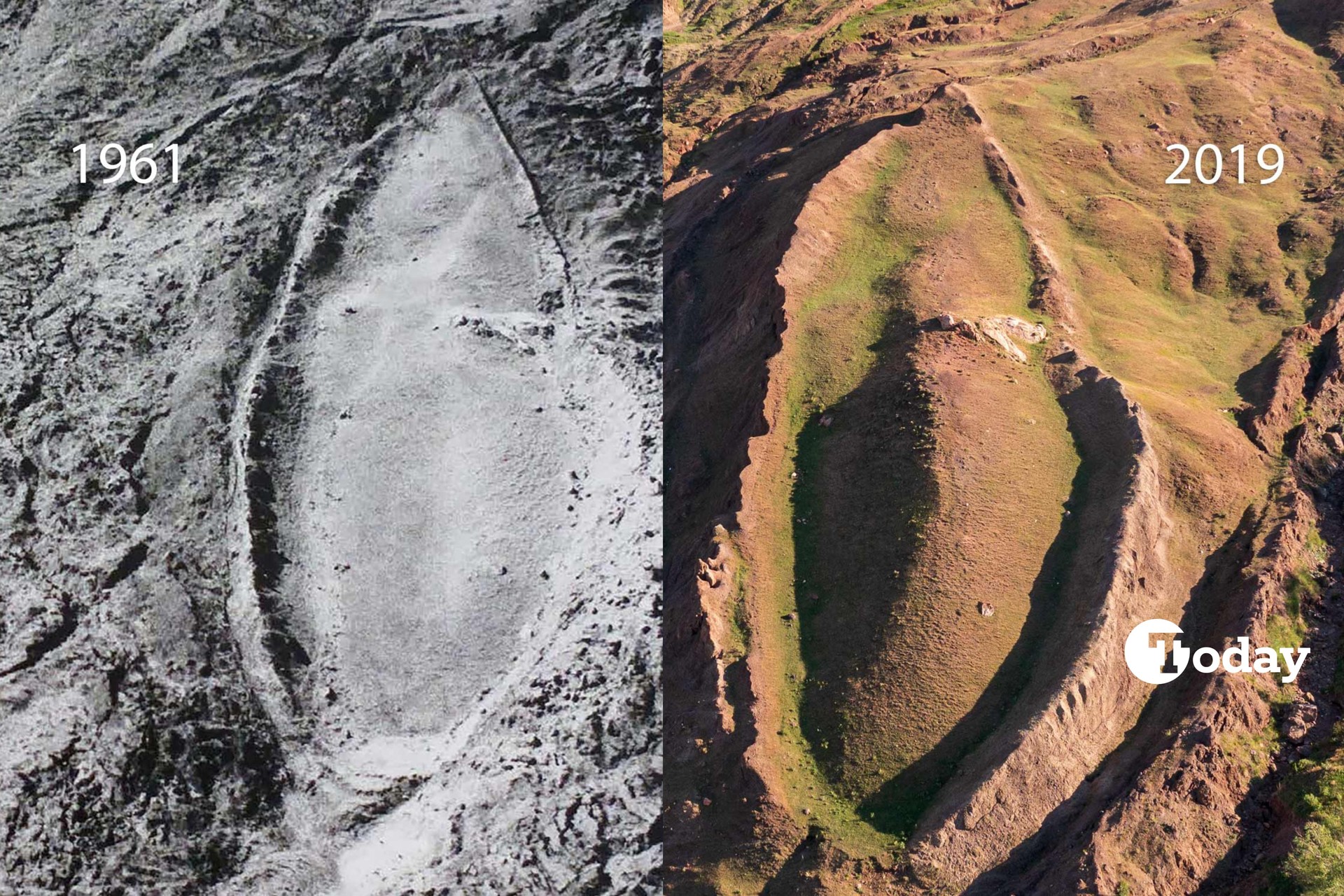
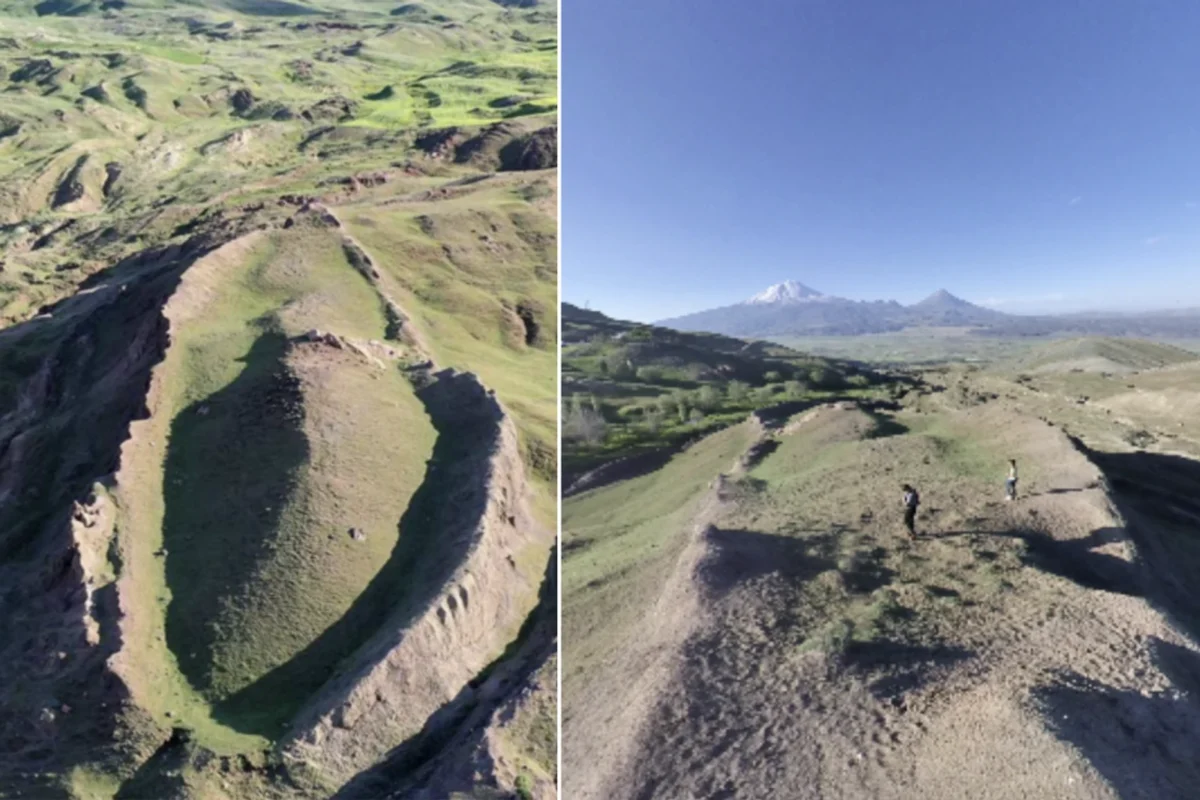
The site in question is known as the Durupınar formation, located near the town of Doğubayazıt in eastern Turkey, about 25 kilometres south of the summit of Mount Ararat. It was first brought to wider attention in 1959, when aerial photographs taken by a Turkish military pilot showed an elongated, boat-shaped mound rising from the surrounding terrain.
The dimensions immediately caught attention. The formation measures approximately 170 metres in length — a figure that some researchers noted was close to the dimensions described for Noah’s Ark in the Book of Genesis, which specifies 300 cubits, roughly 137 to 170 metres depending on the cubit used.
That numerical coincidence was enough to send the first wave of investigators to the site. It has not stopped since.
What explorers have claimed to find
Over the decades, various expeditions have reported findings at the Durupınar site that they believe support the identification as Noah’s Ark. These claims have included the following.
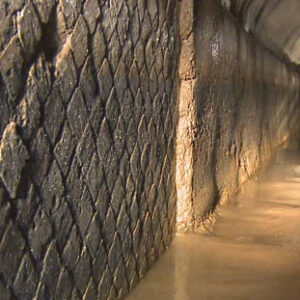
Subsurface radar scans conducted in the 1980s and 1990s reportedly showed internal structures beneath the surface — what some researchers described as possible hull sections, compartments, and a central beam running the length of the formation. Ron Wyatt, an American amateur archaeologist who became one of the site’s most prominent advocates, claimed to have found anchor stones, petrified wood, and metal rivets in the surrounding area.
More recently, a joint Turkish and American research team announced in 2021 that they had identified what they believed to be man-made structures at the site, along with organic material that returned radiocarbon dates in the range of several thousand years old. The team described their findings as consistent with a large wooden vessel.
These reports have generated significant media attention each time they have appeared. They have also generated significant pushback.
What mainstream science says
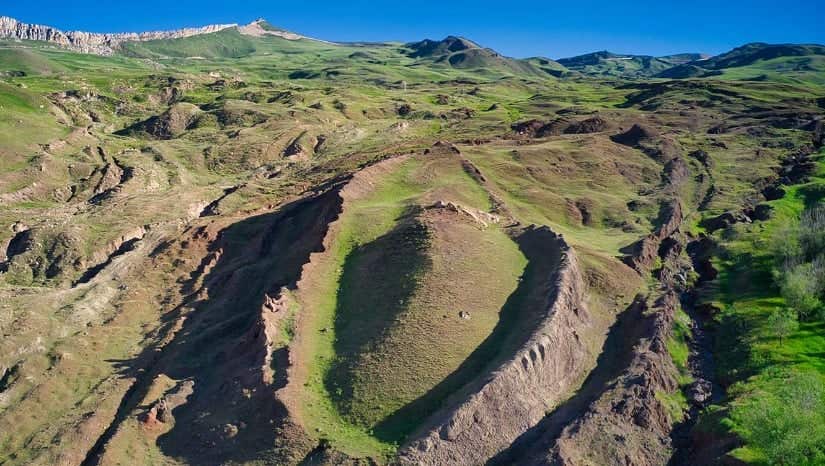
The scientific consensus on the Durupınar formation is that it is a natural geological feature — specifically, a mud flow structure created by the movement of sediment and rock on the volcanic slopes of the Ararat massif. Geologists who have studied the site point to the layered sedimentary structure of the formation, its location in an area of known geological instability, and the absence of any verified organic material that could be identified as worked timber.
The claims of Ron Wyatt, who was not a trained archaeologist, were examined and rejected by professional archaeologists and geologists. The objects he identified as anchor stones are consistent with natural basalt formations common to the region. The metal samples he collected were found to contain iron oxide concentrations that occur naturally in volcanic soil.
The 2021 announcement was similarly greeted with scepticism. No peer-reviewed paper presenting the findings has been published, and independent archaeologists who have reviewed the publicly available information have noted that the site has not been excavated under controlled conditions.
This does not mean the site is uninteresting. It means that no claim made about it has yet met the standard of evidence required to overturn the current scientific interpretation.
Why the debate refuses to die
Part of the answer is straightforward: the story of a global flood and a survivor who preserved life on a great vessel appears in cultures far beyond the Hebrew Bible. The Epic of Gilgamesh, one of the oldest written narratives in human history, contains a flood story with striking parallels to the Genesis account. Flood myths appear across Mesopotamian, Greek, Hindu, and Indigenous American traditions.
For many researchers, this convergence suggests that a catastrophic flood event — perhaps the rapid filling of the Black Sea basin around 7,500 years ago, as proposed by geologists William Ryan and Walter Pitman — may lie behind the stories. If a real flood inspired the myth, it is not unreasonable to ask whether a real vessel might also have existed.
But asking whether a vessel existed and claiming to have found it on a specific hillside in Turkey are very different things. The Durupınar site has not produced the kind of evidence — preserved wood, structural remains, artefacts — that would allow that second claim to be made with confidence.
What would proof actually look like?
This is worth being clear about, because the standard of evidence matters. To confirm that a structure is man-made and ancient, archaeologists would need to find preserved organic material — ideally wood — that returns consistent radiocarbon dates and shows evidence of being worked: cut marks, joinery, tool traces. They would need to find this material in a controlled excavation, documented and published in peer-reviewed journals, and independently verified by other teams.
None of that has happened at Durupınar. What has happened is a series of claims, some more credible than others, that have been reported widely and then quietly dropped when they failed to hold up under scrutiny.
That pattern does not mean the question is closed. It means it remains open — and that the next expedition to the site, like all the ones before it, will need to meet a higher standard than the last.

The thought to sit with
Here is what is genuinely true: somewhere in the ancient Near East, thousands of years ago, a catastrophic flood left an impression so powerful that it was recorded in the oldest written stories humans have ever found. The memory of water, survival, and a vessel large enough to carry life through the end of a world is one of the oldest stories our species tells.
Whether that story points to a real ship, a real mountain, and a real hillside in eastern Turkey is a question archaeology has not yet answered. What it has answered — firmly — is that the question is worth taking seriously, the evidence demands rigour, and the formation on that hillside is real, whatever it turns out to be.
The debate will continue. It always does.